Air Purifiers for Allergy and Asthma Sufferers: What Actually Works
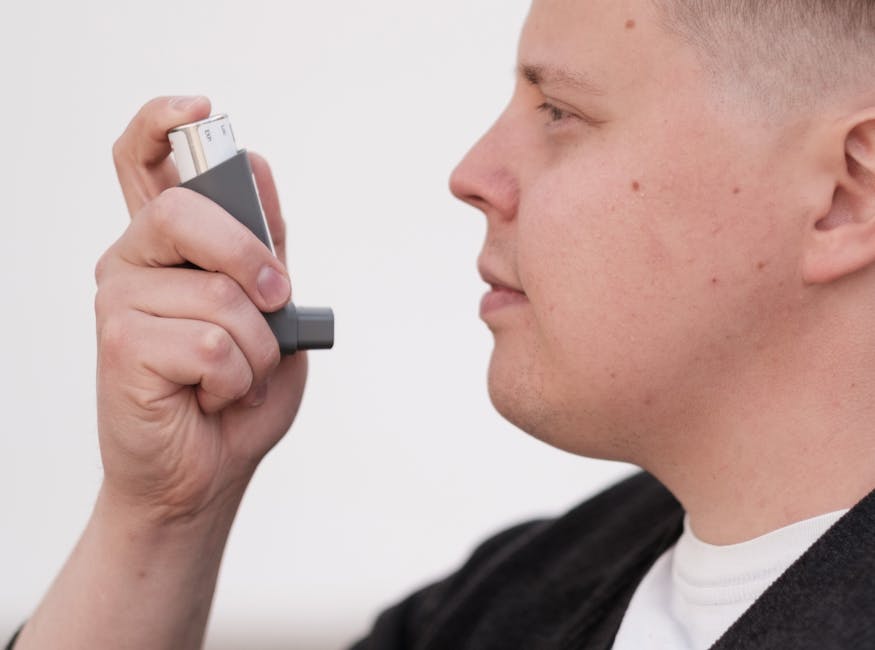
For the millions of UK residents with allergies and asthma, indoor air quality directly affects daily quality of life. Air purifiers can provide genuine symptom relief, but only the right type, properly used, makes a meaningful difference.
What Triggers Allergies and Asthma
Common indoor allergens include dust mite faeces, pet dander, pollen, mould spores, and cockroach droppings. For asthma sufferers, these particles trigger inflammation, bronchoconstriction, and breathing difficulties. Air purifiers address these triggers by removing particles from the air, reducing exposure and symptom severity.
Why HEPA Filtration Matters
Only true HEPA filters effectively remove the tiny particles responsible for allergies and asthma. Standard filters capture larger dust but miss allergen particles. Research consistently shows that HEPA air purifiers reduce allergy symptoms, improve sleep quality, and reduce asthma attack frequency in affected households. This isn't marketing—it's clinically proven.
Activated Carbon for Chemical Sensitivities
Some asthma sufferers react to household chemicals, cleaning products, and air fresheners. Activated carbon filters remove these volatile organic compounds effectively. Look for purifiers combining HEPA and activated carbon if you have chemical sensitivities alongside allergies.
Placement Strategy for Maximum Benefit
Position your purifier in the bedroom first—you spend eight hours there, and cleaner air during sleep dramatically improves symptoms. Run it continuously at night. A second purifier in your main living area provides additional benefit. Bedroom placement is more important than living room placement for allergy management.
Running Costs and Practicality
Modern air purifiers cost £3-8 monthly in electricity. Filter replacements cost £60-150 annually. For allergy and asthma sufferers, this investment yields significant health benefits—fewer medications, better sleep, fewer sick days. Most people find this cost-effective compared to medical expenses and lost productivity.
Complementary Strategies
Air purifiers work best alongside other measures. Use allergen-proof mattress covers, wash bedding weekly in hot water, vacuum with HEPA-filtered vacuums, and maintain humidity between 40-50% (dehumidifiers help). Remove carpets in bedrooms if possible. These combined strategies produce the best results.
Managing Expectations
Air purifiers significantly reduce allergen exposure but don't eliminate it completely. Expect improvement over 2-4 weeks as particles accumulate in filters. Symptoms may worsen initially as disturbed particles circulate before being captured. Patience yields better results than expecting instant transformation.
Medical Evidence
The British Allergy Foundation acknowledges air purifiers as helpful tools for allergy management. Respiratory specialists often recommend them for asthma patients. If you've struggled with symptoms, discussing air purifier use with your GP or asthma nurse provides professional guidance tailored to your specific condition.
Choosing the Right Model
For allergies and asthma, prioritise true HEPA certification and adequate room coverage. Quiet operation matters—noise triggers stress responses that worsen asthma. Mid-range models from established brands offer better value than premium options for most sufferers. Read reviews from other UK allergy sufferers to understand real-world effectiveness.
For many UK residents with allergies and asthma, a quality air purifier genuinely improves health and quality of life. Combined with other practical strategies, it becomes an essential part of symptom management.