Air Purifiers vs Open Windows: Which Actually Works Better?
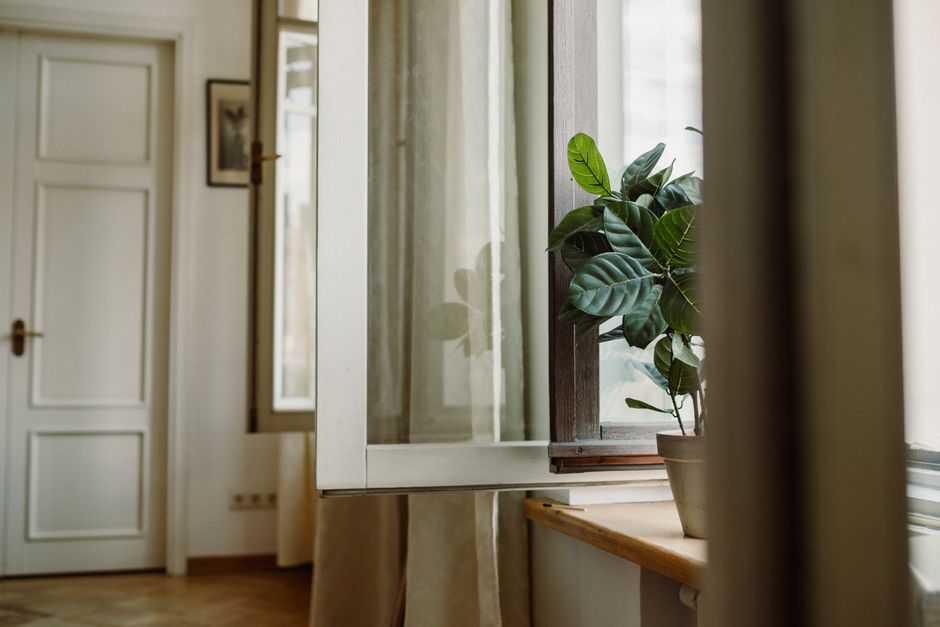
The debate between air purifiers and opening windows is common among UK homeowners concerned about indoor air quality. The honest answer is that both have merits, and the best approach often combines them strategically.
The Case for Open Windows
Opening windows provides genuine air exchange—bringing fresh outdoor air inside while removing stale indoor air. This is essential for removing CO2 build-up and maintaining natural ventilation. In summer, open windows cost nothing and can cool your home without air conditioning. They also provide psychological benefits; people generally feel better with fresh air flowing through their space.
The Limitations of Windows
However, opening windows in UK cities exposes your home to outdoor pollution, traffic fumes, and pollen. During high pollen seasons (March to September), allergy sufferers find open windows trigger symptoms significantly. In winter, opening windows wastes heating energy and isn't practical in wet, cold weather. Urban residents near roads experience constant noise and pollution intrusion.
What Air Purifiers Do Well
Air purifiers excel at removing particulates—pollen, dust, pet dander, and some pollutants—continuously and quietly. They work 24/7 regardless of weather, season, or outdoor air quality. For allergy sufferers, asthma patients, and urban residents, they provide measurable health improvements. They maintain indoor temperature and humidity better than open windows.
Air Purifier Limitations
Air purifiers don't replace ventilation—they don't remove CO2 or provide fresh air exchange. They also can't address moisture problems as effectively as ventilation. They require electricity and ongoing filter replacement costs. Some cheaper models are genuinely ineffective.
The Optimal Strategy
The best approach combines both methods. Use an air purifier during high pollen seasons and in winter for continuous particulate removal. Open windows daily during mild weather, early mornings when pollution is lower, and especially in kitchens and bathrooms to remove moisture. This balanced strategy maintains fresh air circulation while filtering pollutants effectively.
Room-Specific Recommendations
Bedrooms benefit most from air purifiers, especially for allergy sufferers—you spend eight hours there breathing filtered air while sleeping better. Living rooms work well with a combination approach: purifier running during the day, windows open during mild evenings. Kitchens need ventilation fans plus windows to manage cooking emissions and steam.
Making Your Decision
Consider your location, health conditions, and climate. Urban residents with allergies should prioritise air purifiers. Those in quieter areas can rely more on ventilation. The goal is maintaining healthy indoor air quality using the most practical, cost-effective combination for your specific situation.